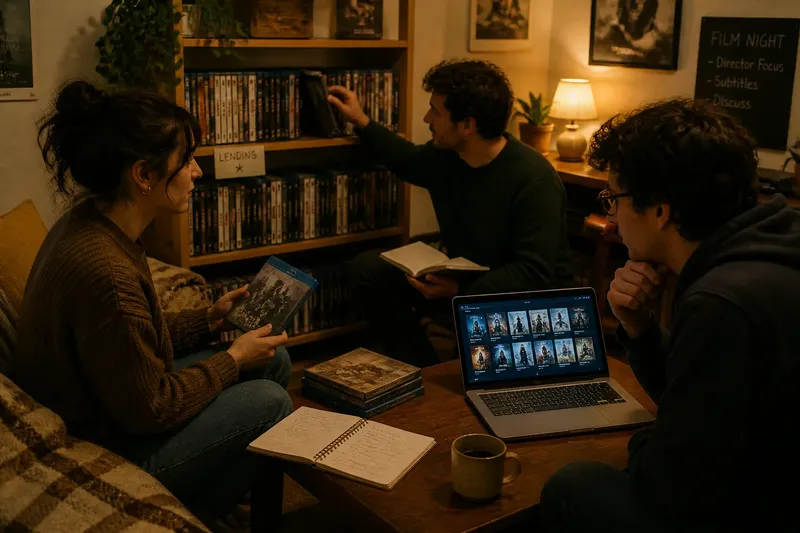
Why a Film Catalogue Needs More Than a Title List
A film catalogue built around title, version, and viewing history helps you trace what you have seen, compare editions, and choose a film to revisit.
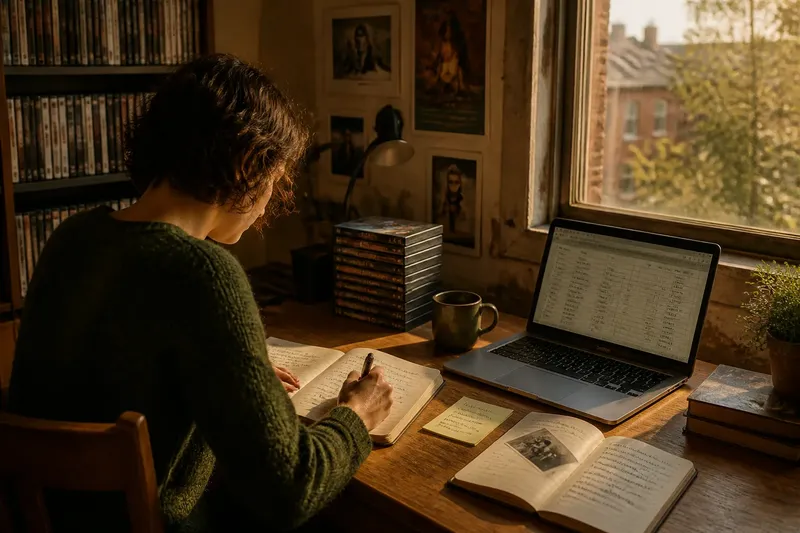
A film catalogue becomes more useful when it records how a film has entered your viewing life, not just what it is called. A title list can show what you own or can access; a richer record can also show which cut you watched, what stayed with you, and what you want to revisit.
What belongs in a viewing-centered film catalogue?
Keep the basic identity of each film, then add details that make it easier to remember your encounter with it. A useful record might include:
- Preferred title: Use the name you are most likely to recall, with alternate titles in a separate field.
- Version seen: Note a theatrical cut, director’s cut, restoration, or other edition when you can identify it.
- Viewing date or context: Record a date, festival, class, or shared screening only if it helps you remember the occasion.
- Response: Write a few words about what you noticed, questioned, or want to discuss later.
- Revisit prompt: Add a question or detail that could give a future viewing a direction.
- Access note: If you want to return to a particular copy, note where you can currently find it without treating access as a permanent fact.
These fields serve different purposes. A version note identifies the object of attention; a response captures your reading of it. Keeping the two separate helps you distinguish a film detail from your changing interpretation.
How can notes preserve a response without fixing it?
Write observations rather than verdicts. “The hallway scene felt longer than I expected” gives your future self something specific to revisit. “Good film” records a judgment, but offers little guidance about what you noticed or why.
Short notes are often enough. You might record an image, a sound, a pacing choice, or a question raised by the ending. If your response changes later, add a new entry with its own date or context rather than silently rewriting the old one. The catalogue can then show a developing relationship with the film instead of pretending your first impression was final.
How should a catalogue support revisiting?
A useful revisit prompt points toward an experience, not merely a reminder to watch again. “Listen for how the score changes after the train station” is more actionable than “rewatch someday.” Prompts can also ask what you might notice differently after a discussion, a related film, or a change in circumstance.
Imagine you saw a film at a neighborhood theater and wrote, “I kept noticing the empty doorways; ask whether they feel different at home.” Later, you find the film on a library disc. The note gives you a reason to return and a concrete point of comparison, while leaving room for a new response.
What questions help a viewing record stay useful?
Should I write a review after every film?
No. A brief phrase or question can preserve the detail you want to remember. Write at greater length when the film gives you something you want to work through.
What if I cannot remember which version I saw?
Mark the version as unknown rather than inferring it from memory. If you later confirm the edition from a program, disc menu, or reliable listing, update the record and keep your original response intact.
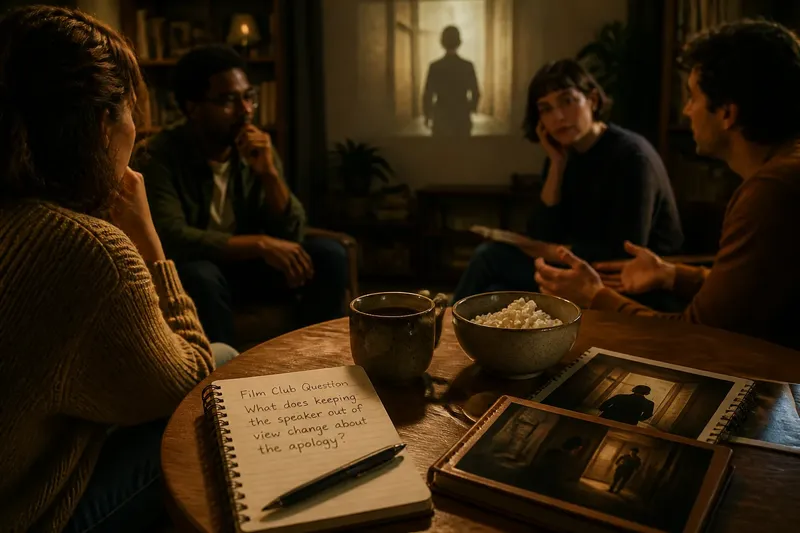
Can I include notes from a group discussion?
Yes, if you distinguish other people’s observations from your own. A short note such as “discussion prompt: compare the final scene with the opening” preserves the conversation without attributing someone else’s idea to you.
How do I avoid turning the catalogue into a rating system?
Leave ratings out unless they help you make a choice. A note about what you noticed or want to reconsider can remain useful even when your overall opinion changes.
How can I maintain viewing notes without overbuilding the system?
Choose a tool that makes adding and finding short entries easy. A spreadsheet can sort titles and dates; Apple Notes, Google Keep, or a paper notebook can make quick reflections feel less formal. Use a consistent title format so searches bring related notes together, and keep optional fields only when you actually use them.
Say you watched an invented film called The Glass Orchard at a community screening, then later borrowed its DVD from the library. Your starting record contains the title, “version unknown,” the screening context, and the note “the quiet scenes made the final argument feel less certain.” When you borrow the disc, you add the library as the current access point; after checking its menu, you update the version only if the edition is identified. You then add the prompt “notice whether the quiet scenes still change the ending.” The resulting record preserves your first response, avoids guessing about the cut, and gives the next viewing a clear purpose.
A film catalogue should make room for memory to move. The main search phrase, film catalogue, can describe both a record of films and a record of how you have encountered them. Keep each note tied to a specific observation or question, and it can help you return with attention rather than simply repeat an old judgment.