Disc, File or Stream: What Each Format Gives Up
Disc, file or stream choices shape how easily you can watch, keep and revisit films. Compare the trade-offs to build a viewing mix that fits.
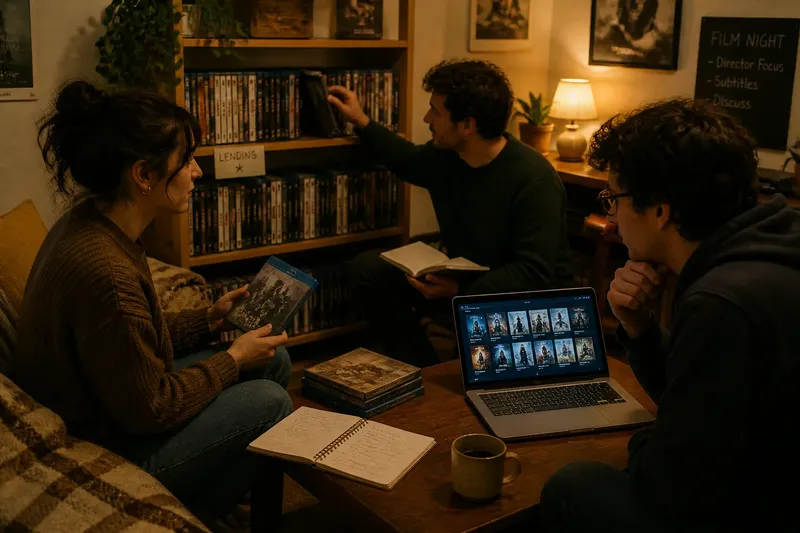
Disc, file or stream choices shape how a film enters a household’s viewing routine: through a shared object, a device’s library, or an app’s changing catalog. The useful question is not which format is best in general, but what kind of viewing experience you want to make easy.
What changes when a film becomes a shared object?
A DVD or Blu-ray can move between shelves, living rooms, and lending hands. Its case may hold a booklet or notes that invite conversation, and a disc can remain part of a household’s shared film culture even when nobody is watching it.
That social quality has practical limits. The recipient needs a compatible player, and the particular edition may include a cut, soundtrack, captions, or bonus material that another release lacks. A disc can also become hard to locate when a collection has no clear shelf order.
For a household collection, grouping cases by director, genre, or a simple alphabetized system makes browsing more inviting. A removable label on a shelf can mark a lending spot, so a borrowed film is easier to notice and return.
How does a local library change the way people revisit films?
A local video library can make repeat viewing feel intentional. Files stored on a computer or external drive can be organized into folders, then browsed through software such as VLC or a media library app. A clear folder name and a note about the edition help viewers identify what they are opening.
The trade-off is maintenance. Devices and storage can fail, file names can become cryptic, and one person may understand a folder system that nobody else in the home can use. A second copy on a separate drive can protect against losing the only copy to a device problem, but it requires upkeep. Keep digital copies from lawful sources and follow the relevant terms.
Say you have a lawful video file with a vague name, “movie_final,” and a separate subtitle file. Rename the folder with the film title and edition, keep both files together, then open it in VLC and check that subtitles appear. The result is a library another household member can browse and play with less guesswork.
What does a streaming catalog invite viewers to do?
Streaming makes it easy to move from a recommendation to a screening, which can turn a quiet evening into a shared discovery. Profiles, watch lists, captions, and recommendations may help a household coordinate, although features vary by service and title.
A catalog is also temporary and shaped by its interface. A film may leave, a search may bury it, or an account may no longer be available. App downloads for offline viewing generally remain subject to the service’s terms and are not freely movable files. If a film matters to a group beyond one viewing, decide whether that changing access is acceptable.
How can you decide which format supports your film culture?
Start with the way you want to watch together or alone, then choose a format that supports that habit. Check the actual edition and available features rather than assuming formats carry the same presentation.
- If repeat group viewings matter, check whether everyone can use the disc player; if they can, choose a disc, otherwise choose a compatible stream or player.
- If lending is part of your routine, check whether the recipient has a disc player; if so, lend the disc, otherwise arrange a lawful accessible option.
- If you want a specific commentary or booklet, check the edition listing; if it includes the material, choose that edition, otherwise look for another release.
- If several household members browse the same digital collection, check whether the folder names and player are understandable to them; if not, rename folders and choose a familiar app.
- If captions or audio description are needed, check the specific title and device menus; if the feature is missing, select another edition or service that offers it.
- If offline viewing is essential, check the service’s download rules or the lawful file’s device compatibility; if access is conditional or playback fails, choose a suitable disc or compatible local copy.
Imagine a household wants to host a monthly film night and has a Blu-ray player, a laptop, and a streaming subscription. The group chooses a favorite director’s film for repeated discussion, checks that a Blu-ray edition includes the desired subtitles, and places it on a shared shelf. For an unfamiliar title, they search the streaming catalog and add it to a watch list; if it is unavailable, they consider a lawful disc or rental instead. The result is a repeatable gathering around one edition without requiring every discovery to become a permanent collection item.
What questions help settle a disc, file or stream choice?
Can an app download become a shared household copy?
Usually, an app download remains tied to the service and its access rules. Check the terms and device limits before planning a screening around offline playback.
Does a disc always make discussion easier?
Not automatically: viewers still need a compatible player, and the edition must include the features or presentation they want to discuss. A shared watch list or clearly named local folder may suit a group better.
How should a household organize a small film collection?
Use a system everyone can understand, such as alphabetical shelves for cases and title-and-edition folder names for lawful files. Keep lending notes or a shared list in a place the group already uses.
What should I check before choosing a viewing option?
Check who will watch, which devices they can use, whether captions or other features are needed, and whether the film must remain accessible later. Those answers point toward a disc, a lawful local copy, streaming, or a mix.
How can a film collection stay welcoming rather than burdensome?
Give each format a social purpose instead of treating every viewing as a collecting decision. A disc can anchor a lending shelf, a well-organized local library can support repeat screenings, and streaming can help a group find something new.
For a practical disc, file or stream decision, focus on the next occasion: who is watching, what device is available, and what would make the conversation or rewatch easier. That small check keeps access tied to the people who use it, rather than to an abstract preference for one format.